File photo
Food tech, or food technology, is the integration of technology into various aspects of food production, processing, distribution, and consumption to improve efficiency and quality.
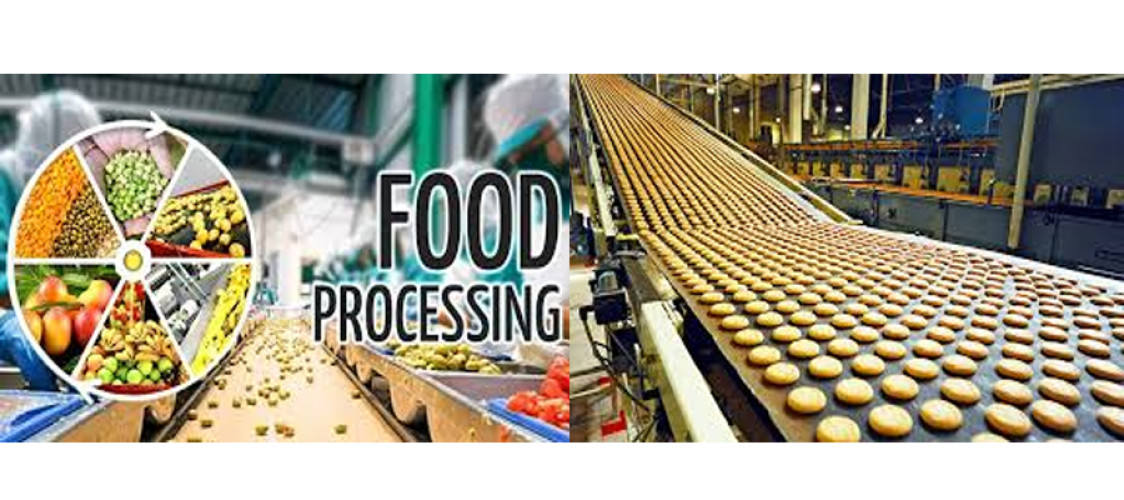
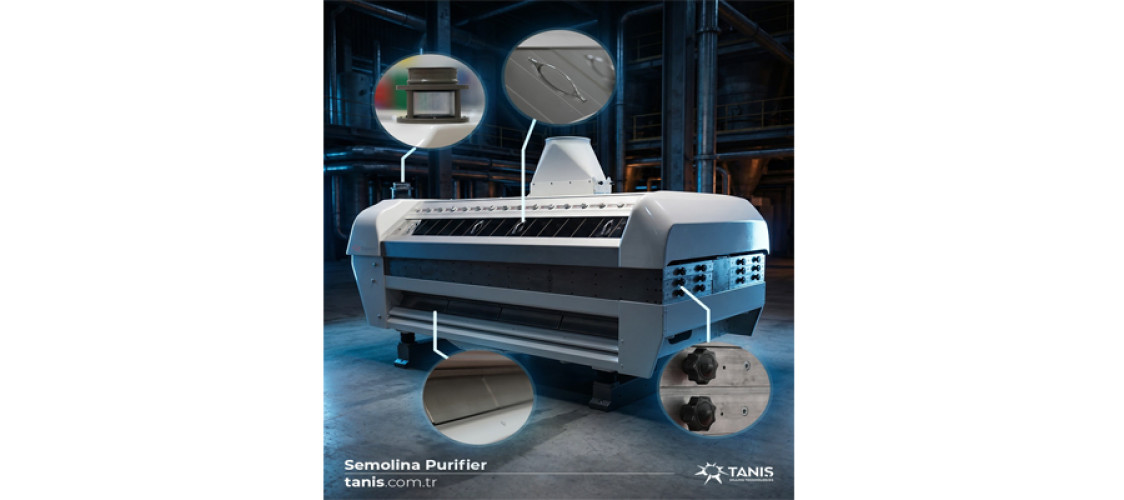
From agriculture to architecture, technology has made its way into almost every industry on the planet, and it’s now making its way into our diets. Food Tech, short for food technology, is the innovative application of technology across the entire food supply chain. It encompasses everything from biotechnology, nanotechnology, robotics, and artificial intelligence to improve the way food is processed, packaged, distributed, and consumed.
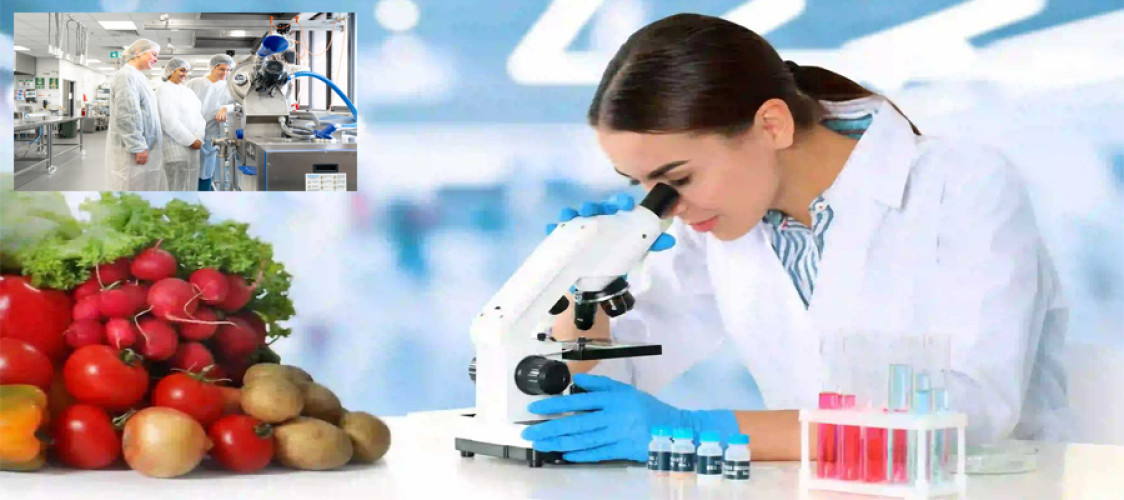
In recent years, food tech has made significant strides, driven by the intersection of food science, biotechnology, and engineering. These innovations tackle pressing challenges such as food security, sustainability, and nutrition, aiming to meet the demands of a growing population who value environmentally friendly food options. By leveraging technology, food tech ensures safer, more efficient, and sustainable food production methods.
Examples of food tech innovations
Technological progress has propelled the food production industry forward, allowing us to address the increasing global need for safe, nutritious, and sustainable food.
From precision agriculture to artificial intelligence, each innovation has significantly boosted productivity, reduced waste, and guaranteed food safety. Here are some examples of common food tech innovations that have enabled the largest increase in global food production:
Precision Agriculture
Precision Agriculture significantly boosts food production by optimising farming practices through the precise application of resources such as water, fertilisers, and pesticides. Technologies such as GPS, sensors, and data analytics ensure crops receive exactly what they need, when they need it, resulting in increased yields, improved crop quality, and reduced environmental impact.
Supply Chain Mapping
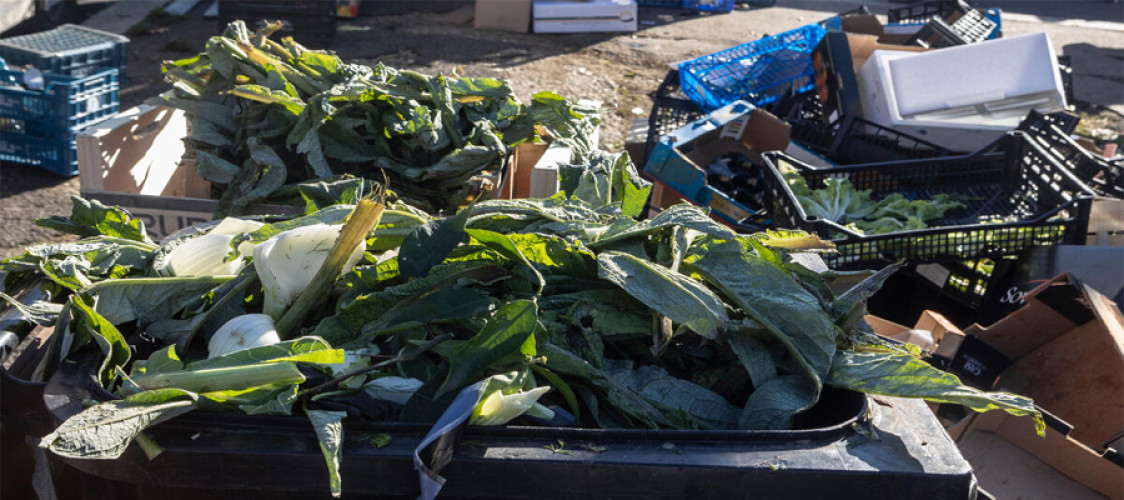
Supply chain mapping allows producers to identify and address any inefficiencies, reduce waste, and respond quickly to disruptions, improving food production through greater efficiency. By visually documenting all the steps, entities, and flows involved in producing and delivering a product or service, this process improves traceability, productivity, and sustainability in the food production process.
Biotechnology and genetic engineering
Biotechnology and genetic engineering have increased food production by developing crops that are more resistant to pests and diseases, have a higher tolerance to environmental stresses like drought, and have improved nutritional content. These Genetically Modified Organisms (GMO’s) produce higher yields due to an overall improvement in their resilience.
Advanced Irrigation Systems
Advanced irrigation systems like drip and micro-sprinklers have significantly boosted food production by getting water directly to the plant roots, cutting down on waste, and making production more efficient. This results in better crop yields and healthier plants, even in arid conditions.
Vertical farming and Controlled Environment Agriculture (CEA)
Vertical farming and Controlled Environment Agriculture (CEA) have drastically increased food production by using stacked cultivation and controlled environments that conserve important resources like land and water. Technologies like hydroponics and aeroponics conserve water and enhance the nutrient absorption in plants, allowing year-round production, reduced pesticide use, and fresher produce.
Robotics in food processing
Robotics has been able to increase food production by improving the efficiency, consistency, and safety of food processing. Robots are experts at sorting, inspecting, and packaging with precision, leading to higher productivity, lower labour costs, and increased food safety, ensuring a reliable and sustainable food supply.
Artificial intelligence
Artificial intelligence has enabled rapid, accurate inspections, predictions, and contaminant detection in food production. AI algorithms can ensure consistent quality by identifying defects and diseases, predicting risks, and identifying opportunities, which optimise production processes, improve safety standards, reduce waste, and increase overall efficiency.
Source: Online/FT



























Copyright © 2026 Food Tech Dhaka Expo. All Rights Reserved.
Website Design & Development ♡ MY SOFT IT
 EN
EN
 Chinese
 Turkish
 Indonesian
 German
 French
 Spanish
 Portuguese
 Russian
 Italian